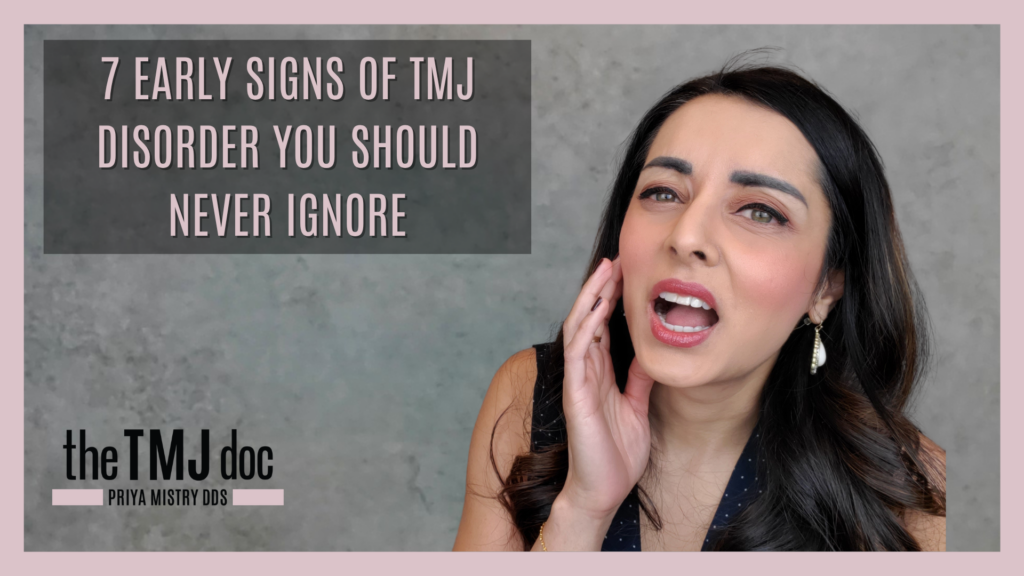
Many people think TMJ disorder only causes jaw pain. In reality, temporomandibular joint disorder (TMD) often begins with subtle symptoms that don’t seem related to your jaw at all. Headaches, worn teeth, neck pain, ear discomfort, and even changes in your bite can all be early warning signs that something isn’t functioning properly.
The sooner these symptoms are recognized, the more likely it is that conservative treatment can relieve discomfort before the condition progresses. Knowing what to watch for can help you seek care before chronic pain begins.
What Is TMJ Disorder?
Your temporomandibular joints (TMJs) are the hinges that connect your lower jaw to your skull. These joints work with dozens of muscles, ligaments, and nerves every time you eat, speak, yawn, or swallow.
When the joints or surrounding muscles become strained or don’t function properly, it can lead to a condition known as temporomandibular joint disorder, or TMD. Because the jaw is connected to the head, neck, ears, and airway, symptoms often extend far beyond the jaw itself.
1. Jaw Clicking or Popping
One of the earliest signs of TMJ disorder is a clicking or popping sound when you open or close your mouth.
While painless clicking alone isn’t always a cause for concern, clicking that is accompanied by pain, stiffness, or changes in jaw movement may indicate that the joint is no longer moving smoothly. Early evaluation can help determine whether the joint is functioning properly before more significant symptoms develop.
2. Frequent Headaches or Migraines
Many people treat recurring headaches without realizing their jaw may be contributing to the problem.
When the muscles responsible for chewing become overworked from clenching, grinding, or joint dysfunction, that tension can spread into the temples, forehead, and back of the head. For some patients, TMJ disorder becomes a hidden source of chronic headaches or migraines.
3. Ear Pain or Ringing
Because the TMJs sit directly in front of your ears, inflammation around the jaw can easily create symptoms that feel like an ear problem.
Patients with TMJ disorder often report:
- Ear pain
- Ringing in the ears (tinnitus)
- A feeling of fullness or pressure
- Popping sensations
- Occasional dizziness
If ear examinations continue to come back normal, your jaw may deserve a closer look.
4. Neck and Shoulder Pain
The muscles of the jaw, neck, and shoulders function as one interconnected system.
When your jaw isn’t moving efficiently, the muscles in your neck often compensate. Over time, this added strain can lead to chronic neck stiffness, shoulder tightness, and pain at the base of the skull.
Many patients are surprised to learn their persistent neck discomfort actually begins with jaw dysfunction.
5. Worn, Chipped, or Sensitive Teeth
Your teeth often provide important clues about what’s happening with your jaw.
Grinding and clenching place tremendous pressure on both your teeth and jaw joints.
Over time, this can lead to:
- Flattened or worn teeth
- Small chips or fractures
- Tooth sensitivity
- Cracked dental restorations
- Increased tooth wear
These changes don’t just affect your smile, they may also indicate excessive stress on the temporomandibular joints.
6. Difficulty Opening Your Mouth
Does your jaw ever feel stiff first thing in the morning? Does it seem harder to take a big bite of food or yawn?
Limited jaw movement can be an early indication that inflammation or muscle tension is affecting the joint. In more advanced cases, patients may experience episodes where the jaw temporarily locks open or closed.
7. Changes in the Way Your Teeth Fit Together
One symptom many people overlook is a bite that suddenly feels “off.”
If your teeth no longer come together the way they used to, it may indicate changes in the position or function of the jaw joints. This isn’t something to ignore, as bite changes can affect chewing efficiency and place additional stress on surrounding muscles.
Why Early Diagnosis Matters
TMJ disorder rarely improves by simply ignoring the symptoms.
Without treatment, ongoing muscle strain and joint dysfunction may contribute to:
- More frequent headaches
- Increased jaw pain
- Progressive tooth wear
- Chronic muscle tension
- Difficulty eating
- Reduced jaw mobility
Early diagnosis often allows for more conservative treatment and may help prevent long-term complications.
How The TMJ Doc Evaluates TMJ Disorder
At The TMJ Doc, Dr. Priya Mistry understands that no two patients experience TMJ disorder the same way.
A comprehensive evaluation looks beyond the jaw itself and includes:
- Jaw joint function
- Muscle tenderness
- Bite stability
- Airway health
- Head and neck posture
- Range of jaw movement
- Clenching and grinding habits
- Overall facial muscle function
When appropriate, advanced diagnostic technology helps provide a clearer understanding of what’s causing your symptoms so treatment can be directed at the underlying problem rather than simply managing pain.
Treatment Is Designed Around You
Because TMJ disorder can have many contributing factors, treatment is always personalized.
Depending on your diagnosis, treatment may include:
- Custom oral appliances
- Muscle relaxation therapies
- Jaw exercises
- Bite stabilization
- Airway evaluation
- Myofunctional therapy
- Lifestyle modifications
- Coordination with other healthcare providers when appropriate
The goal is to restore healthy jaw function, relieve unnecessary muscle strain, and improve your quality of life.
What The TMJ Doc Wants You to Know
TMJ disorder doesn’t always begin with severe jaw pain. In many cases, your body sends subtle warning signs long before the condition becomes debilitating. Frequent headaches, neck pain, ear symptoms, worn teeth, jaw clicking, or changes in your bite may all point to an underlying problem with your temporomandibular joints.
Dr. Priya Mistry believes that recognizing these early signs is one of the most important steps toward lasting relief. By identifying the root cause and developing a personalized treatment plan, many patients can restore comfortable jaw function, reduce chronic pain, and protect their long-term oral health before more serious problems develop.