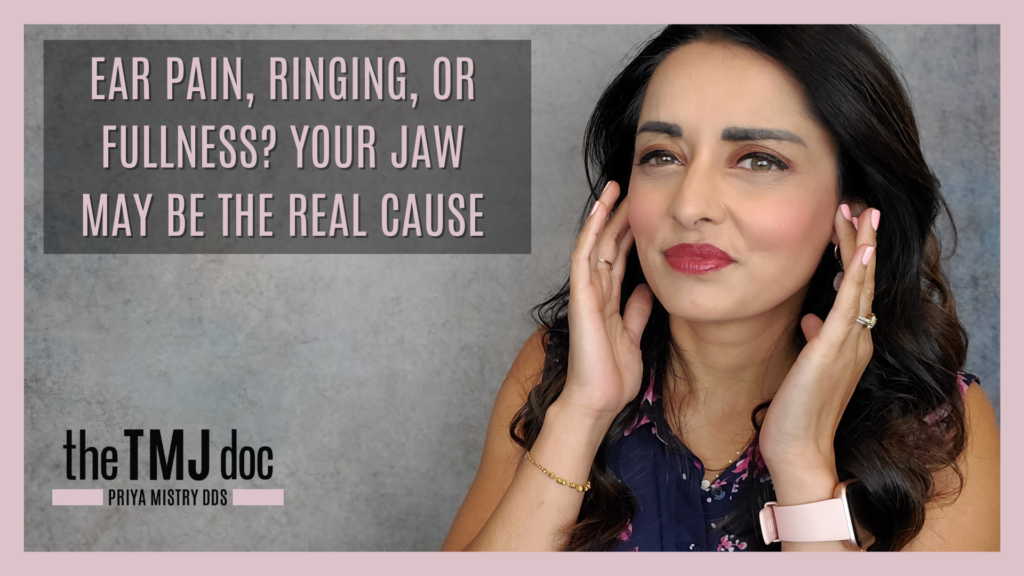
If you’ve been dealing with ear pain, ringing in your ears, or a constant feeling of pressure, you’ve probably assumed something was wrong with your ears. Maybe you’ve even visited your primary care physician or an ear, nose, and throat specialist, only to be told everything looks completely normal.
So why do your ears still hurt?
For many patients, the answer isn’t in the ear at all. It’s in the jaw.
Because the temporomandibular joints (TMJs) sit directly in front of your ears, problems with these joints can create symptoms that closely resemble an ear condition. Understanding the connection between your jaw and your ears can be the key to finally finding lasting relief.
Why the Jaw Can Affect Your Ears
The temporomandibular joints connect your lower jaw to your skull and are among the most active joints in your body. Every time you talk, chew, yawn, or swallow, these joints are working.
What many people don’t realize is how closely connected the jaw is to the ear. The TMJs share muscles, ligaments, nerves, and connective tissues with structures surrounding the ear. When the jaw isn’t functioning properly, irritation can spread into nearby tissues, creating symptoms that feel like they’re coming from the ear itself.
Common Ear Symptoms Caused by TMJ Disorder
TMJ disorder doesn’t always begin with jaw pain. In fact, many patients seek treatment for ear symptoms long before they ever notice discomfort in their jaw.
Symptoms may include:
- Ear pain without an ear infection
- Ringing in the ears (tinnitus)
- A feeling of fullness or pressure in one or both ears
- Popping or crackling sounds
- Sensitivity to sound
- Mild dizziness or balance issues
- Pain around or behind the ear
Because these symptoms closely resemble other ear conditions, TMJ disorder is often overlooked during the initial evaluation.
Why Ear Tests Can Be Normal
One of the most frustrating experiences for patients is being told that their hearing is normal and there is no sign of infection, yet their symptoms continue.
This happens because the ear itself isn’t always the source of the problem.
Instead, inflammation, muscle tension, or dysfunction in the jaw joint can irritate nearby nerves and muscles, creating what’s known as referred pain. Your brain interprets that irritation as ear pain, even though the underlying issue is actually the TMJ.
Other Signs Your Jaw May Be the Problem
Ear symptoms caused by TMJ disorder are often accompanied by other subtle signs of jaw dysfunction.
You may also notice:
- Jaw clicking or popping
- Pain while chewing
- Morning jaw soreness
- Frequent headaches or migraines
- Neck pain or shoulder tension
- Facial muscle fatigue
- Difficulty opening your mouth fully
- Teeth grinding or clenching
- Changes in the way your bite feels
When several of these symptoms occur together, it’s often a clue that the jaw—not the ear—is the true source of your discomfort.
What Causes TMJ-Related Ear Symptoms?
Several factors can place excessive stress on the jaw joints and surrounding muscles.
Common causes include:
- Chronic teeth grinding (bruxism)
- Jaw clenching during the day or while sleeping
- Muscle tension from stress
- Injury to the jaw
- Joint inflammation
- Disc displacement within the TMJ
- Bite imbalances
- Airway and sleep-related issues that increase nighttime muscle activity
Over time, these problems can place additional strain on the tissues surrounding the ear, leading to persistent symptoms.
How The TMJ Doc Evaluates Ear Symptoms
At The TMJ Doc, Dr. Priya Mistry understands that persistent ear discomfort often requires looking beyond the ear itself.
A comprehensive evaluation includes assessing:
- Jaw joint function
- Muscle tenderness
- Bite stability
- Airway health
- Head and neck posture
- Range of jaw movement
- Clenching and grinding habits
- Overall muscle coordination
When necessary, advanced diagnostic imaging and functional testing help provide a clearer understanding of how the jaw is contributing to your symptoms.
Rather than simply treating ear pain, Dr. Mistry focuses on identifying why the symptoms are occurring in the first place.
Treatment Focuses on the Root Cause
Treatment depends on the underlying reason your jaw is placing stress on nearby structures.
Your personalized treatment plan may include:
- Custom oral appliances
- Bite stabilization
- Muscle relaxation therapies
- Jaw exercises
- Airway evaluation
- Myofunctional therapy
- Stress management strategies
- Coordination with other healthcare providers when appropriate
The goal is to improve jaw function, reduce muscle tension, and relieve unnecessary pressure on the structures surrounding the ear.
When Should You Seek an Evaluation?
If you’ve been experiencing persistent ear pain, ringing, pressure, or fullness and repeated ear examinations haven’t identified a clear cause, it’s worth considering whether your jaw could be contributing.
Early diagnosis can often prevent symptoms from becoming chronic and help restore comfortable function before more significant problems develop.
What The TMJ Doc Wants You to Know
Not every earache starts in the ear. Because your jaw and ears are so closely connected, TMJ disorder can cause symptoms that mimic ear infections, hearing problems, or sinus issues—even when your ears are completely healthy.
Dr. Priya Mistry believes that successful treatment begins with understanding how the entire head, jaw, neck, and airway work together. By identifying the true source of your symptoms and creating a personalized treatment plan, many patients find lasting relief from chronic ear discomfort while improving their overall jaw health and quality of life.