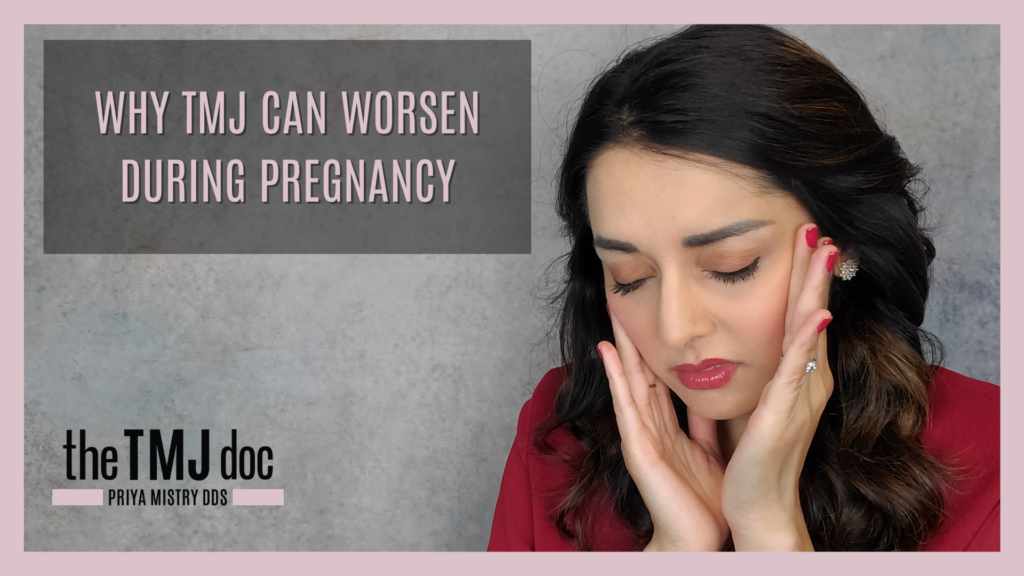
Pregnancy comes with a lot of changes, but jaw pain is not something most people expect. The TMJ Doc, Dr. Priya Mistry, often sees patients who are caught off guard by new or worsening TMJ symptoms during pregnancy.
The reality is that your body is going through significant shifts, and many of them can directly affect your jaw.
Why Jaw Pain Can Show Up During Pregnancy
Pregnancy does not cause TMJ in one single way. Instead, it creates the perfect environment for jaw issues to develop or flare up.
Several overlapping changes are usually at play.
Hormones That Loosen More Than You Think
During pregnancy, hormones like relaxin, estrogen, and progesterone increase to help your body prepare for childbirth.
These hormones:
- Loosen ligaments throughout the body
- Can make the jaw joint less stable
- Increase inflammation and sensitivity
This can lead to the jaw shifting slightly out of alignment, creating pain, clicking, or stiffness.
Increased Stress and Clenching
Pregnancy can bring physical, emotional, and mental stress, even in the most positive situations.
The TMJ Doc often sees this show up as:
- Daytime jaw clenching
- Nighttime grinding
- Increased muscle tension in the face and neck
Clenching places constant pressure on the jaw joint, which can trigger or worsen TMJ symptoms.
Sleep Disruption and Bruxism
Sleep becomes more difficult as pregnancy progresses, and that has a direct impact on the jaw.
Disrupted sleep is strongly linked to:
- Teeth grinding, also known as bruxism
- Muscle overactivity during the night
- Morning jaw soreness or stiffness
Many patients do not realize they are grinding until symptoms appear.
Morning Sickness and Physical Strain
One of the more surprising contributors is morning sickness.
Frequent vomiting can:
- Force the jaw forward repeatedly
- Strain jaw muscles and ligaments
- Create inflammation and soreness
Even though it may be temporary, it can be enough to trigger jaw dysfunction.
Postural Changes as Your Body Adapts
As your body changes, so does your posture.
- Weight shifts forward
- The head and neck compensate
- Jaw muscles take on additional strain
This chain reaction can increase tension in the jaw and surrounding muscles, contributing to discomfort.
Small Changes with Big Impact
The TMJ Doc often recommends starting with simple, supportive habits:
- Keep lips together and teeth slightly apart
- Avoid clenching during stress or focus
- Stick to softer foods when symptoms flare
- Use warm compresses to relax tight muscles
- Be mindful of posture, especially head and neck alignment
These small adjustments can help reduce strain during a time when your body is already working hard.
Exercises The TMJ Doc Recommends
Gentle, consistent movement can help maintain balance:
- Controlled Jaw Opening
Open slowly while keeping movement centered
→ Helps reduce joint strain - Tongue-Up Rest Position
Tongue lightly on the roof of the mouth
→ Supports proper jaw alignment - Chin Tucks
Gently pull the chin back
→ Improves posture and reduces jaw tension - Relaxation Breathing
Slow breathing with relaxed shoulders
→ Helps decrease clenching and muscle tightness
When Home Care Alone Isn’t Enough
If your symptoms:
- Are getting worse during pregnancy
- Include locking, clicking, or limited movement
- Interfere with eating or sleeping
…it is time to look deeper.
Jaw pain during pregnancy is often a combination of factors, not just one issue. Without addressing the full picture, symptoms can continue or return.
Is It Time to Get Help?
Jaw pain during pregnancy may feel unexpected, but it is not random.
The TMJ Doc wants patients to understand that these symptoms are often your body responding to real, physical changes, and there is a clear path forward.
Dr. Priya Mistry helps patients connect the dots between hormones, muscle tension, posture, and jaw function to create a plan that supports both comfort and long-term health.
Schedule a consultation with The TMJ Doc today and get the support your body needs during this important time.