
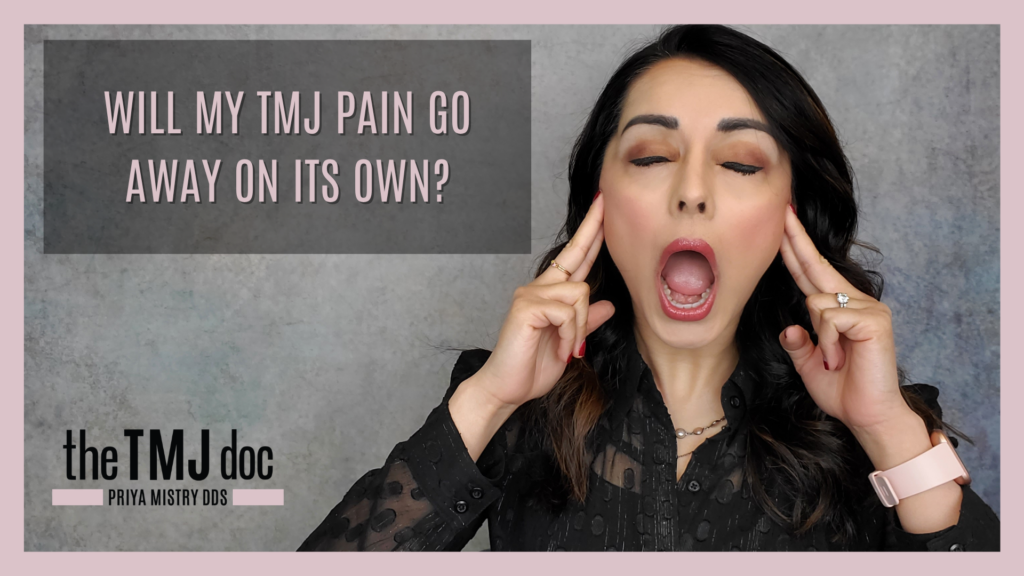
Many people hope that jaw pain is something they can simply “wait out.” Maybe the discomfort comes and goes, the clicking isn’t constant, or the headaches seem manageable. It’s common to assume that if you ignore TMJ symptoms long enough, they’ll eventually disappear.
Unfortunately, that isn’t how temporomandibular disorders (TMD) usually work.
Dr. Priya Mistry, known as The TMJ Doc, often meets patients who spent months (or even years) hoping their symptoms would resolve naturally. By the time they seek treatment, what began as occasional discomfort has often developed into persistent jaw pain, chronic headaches, worn teeth, or limited jaw movement.
Why TMJ Pain Usually Doesn’t Simply Disappear
Your temporomandibular joints are among the busiest joints in your body. Every conversation, every meal, every yawn requires them to function correctly.
When something causes those joints or the surrounding muscles to become strained, the problem typically continues every time you use your jaw. Simply waiting rarely corrects the underlying issue.
Common contributors include:
- Teeth clenching or grinding
- Bite imbalance
- Muscle tension
- Airway and sleep-related problems
- Stress
- Poor posture
- Previous jaw or neck injuries
While symptoms may temporarily improve, the reason they’re happening often remains.
Good Days Don’t Always Mean You’re Healing
One of the most frustrating parts of TMD is that symptoms often fluctuate.
You may have several days where your jaw feels normal, followed by a week of headaches, jaw tightness, or ear pain. This pattern leads many people to believe the condition is healing when, in reality, the muscles and joints are simply cycling between periods of irritation and temporary compensation.
The absence of pain doesn’t always mean healthy jaw function.
Warning Signs You Shouldn’t Ignore
If your symptoms continue for more than a few weeks, it’s worth having them evaluated.
Signs that deserve attention include:
- Jaw pain while chewing
- Clicking, popping, or grinding sounds
- Difficulty opening your mouth fully
- Jaw locking
- Morning headaches
- Facial soreness
- Ear pain or fullness
- Neck and shoulder tension
- Tooth sensitivity without obvious dental decay
- Worn or fractured teeth from clenching
These symptoms often point to an imbalance that won’t correct itself without addressing the source.
What Happens If You Wait Too Long?
Many patients adapt to jaw dysfunction without realizing it.
Instead of chewing normally, they begin chewing on one side. They avoid certain foods. They tolerate frequent headaches. They assume neck pain is unrelated.
Over time, ongoing muscle strain can place additional stress on the jaw joints, teeth, facial muscles, and even the cervical spine. What starts as mild discomfort may become increasingly difficult to manage.
Early evaluation often means simpler treatment and better long-term outcomes.
Every Case Is Different
Not every person with TMD needs the same approach.
Dr. Mistry believes successful treatment starts with understanding why your symptoms developed rather than simply masking pain.
During a comprehensive TMJ evaluation, she examines factors such as:
- Jaw movement
- Muscle function
- Bite stability
- Airway health
- Sleep quality
- Head and neck posture
- Previous injuries
- Lifestyle habits that may contribute to clenching or muscle fatigue
Understanding the complete picture allows treatment to focus on correcting the underlying dysfunction whenever possible.
Conservative Treatment Comes First
Many people are surprised to learn that effective TMJ treatment often begins with conservative, non-surgical care.
Depending on your diagnosis, treatment may include:
- Custom orthotic therapy
- Neuromuscular evaluation
- Muscle relaxation techniques
- Laser therapy
- Home exercises
- Myofunctional therapy
- Airway evaluation
- Habit modification
- Collaboration with physical therapists or other healthcare providers when appropriate
The goal isn’t simply reducing pain for today; it’s improving how the jaw functions for years to come.
Don’t Ignore What Your Jaw Is Telling You
Pain is your body’s way of asking for attention.
While mild soreness after chewing something unusually tough may resolve quickly, ongoing TMJ symptoms rarely improve by accident. Identifying the cause early can often prevent years of discomfort and protect the health of your jaw, teeth, and muscles.
If your jaw pain keeps returning, don’t assume it’s something you simply have to live with.
Find Answers with The TMJ Doc
Dr. Priya Mistry helps patients uncover the true cause of chronic jaw pain, headaches, facial tension, and TMJ disorders through comprehensive evaluation and individualized treatment. If your symptoms aren’t improving, it may be time to discover what’s really causing them and begin working toward lasting relief.