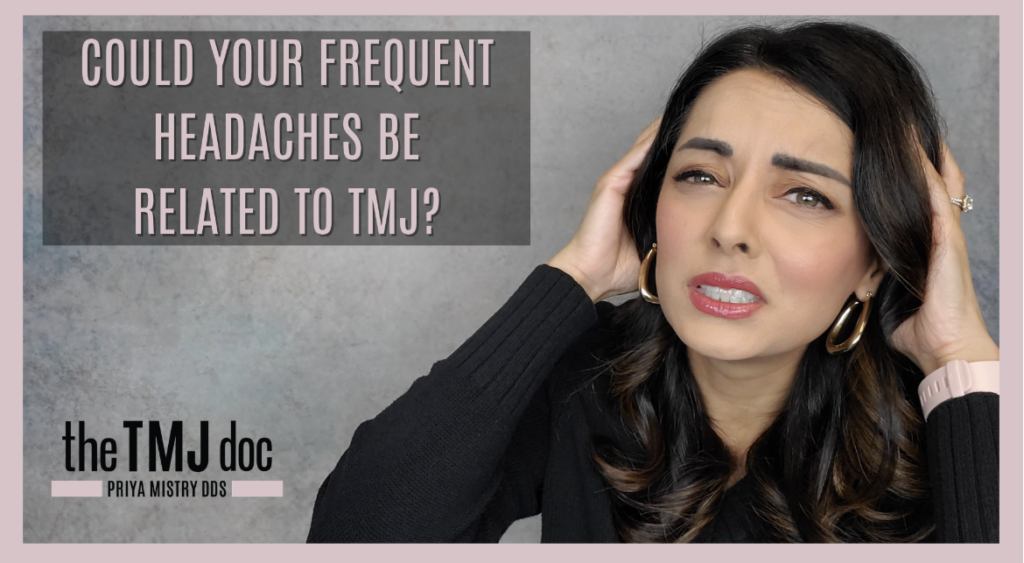
Headaches are something most of us experience from time to time.
Maybe you’ve had a stressful week, spent too many hours looking at a screen, or simply haven’t gotten enough sleep. But what happens when those headaches keep coming back, even when you can’t figure out why?
You might be surprised to learn that your jaw could be playing a role.
Many people don’t realize there’s a connection between jaw problems and recurring headaches If you’ve been dealing with frequent tension headaches, especially around your temples, it’s worth considering whether your temporomandibular joint, or TMJ, might be contributing to the discomfort..
Understanding the Connection Between TMJ and Headaches
Your jaw depends on a complex relationship between its joints and surrounding muscles to move comfortably. When something disrupts that coordination, you may begin experiencing pain, stiffness, or difficulty with everyday activities.
Think about how often you use your jaw throughout the day. Now imagine those muscles working harder than they should, particularly if you’re frequently clenching your teeth or holding tension in your face.
Over time, that muscle strain can contribute to discomfort that extends beyond your jaw, including your temples, forehead, and neck.
Signs Your Headaches May Be Related to TMJ
Not every headache is caused by a jaw problem. However, certain symptoms may suggest that your jaw deserves a closer look.
For example, you might notice:
- Headaches that seem to start around your temples
- Jaw soreness or stiffness, especially in the morning
- Clicking or popping when opening your mouth
- Pain that increases when chewing or talking
- Tenderness around your face, ears, or neck
- Headaches that become worse after clenching your teeth
If you experience any of these symptoms, it’s worth undergoing a TMJ evaluation to get to the bottom of your discomfort.
Why Do TMJ Headaches Feel Like Tension Headaches?
If you’ve ever experienced a tension headache, you’re probably familiar with that dull, aching pressure around your head.
TMJ related headaches can feel very similar.
The muscles responsible for moving your jaw work closely with muscles around your temples and face. When these muscles become overworked or irritated, the discomfort can spread into nearby areas.
One muscle in particular, called the temporalis muscle, stretches across the side of your head and helps you chew. If you’ve been clenching your teeth throughout the day or grinding them while sleeping, this muscle may become sore and contribute to headaches.
What About Headaches When You Wake Up?
Do you ever wake up with a headache before your day has even started?
For some people, nighttime teeth grinding or clenching may be part of the explanation.
These habits, often called bruxism, can place additional strain on the jaw muscles while you’re sleeping. By morning, those muscles may feel tired, sore, or tense.
You might also notice tooth sensitivity, jaw stiffness, or discomfort when you first start chewing breakfast.
Of course, morning headaches can have other causes, including certain sleep disorders. That’s why it’s important not to assume every morning headache is related to TMJ disorder.
Finding Relief From TMJ Related Headaches
The first step toward relief is understanding what’s actually causing your discomfort.
If your headaches are connected to TMJ disorder, treatment may focus on reducing muscle tension, improving jaw function, and addressing habits that contribute to pain.
Depending on your symptoms, recommendations may include gentle jaw exercises, stress management, or a properly fitted oral appliance when appropriate.
Avoiding excessive gum chewing and giving your jaw a break from particularly hard or chewy foods may also help during painful flare-ups.
The right approach depends on your individual symptoms, which is why a thorough TMJ evaluation matters.
What The TMJ Doc Wants You to Know
One thing Dr. Priya Mistry wants patients to understand is that headaches aren’t always just headaches. Sometimes, the muscles you use to chew, talk, and move your jaw are contributing to pain you feel elsewhere.
She often encourages patients to pay attention to when their headaches happen.
- Do they wake up with them?
- Do they get worse after a stressful day?
- Does their jaw feel tired or sore at the same time?
These little details can tell us a lot.
And while not every headache is related to TMJ disorder, recognizing the connection can be an important step toward finding the right treatment.
Don’t Ignore Headaches That Keep Coming Back
Frequent headaches can affect everything from your concentration at work to your ability to enjoy time with family and friends. And while it’s tempting to reach for another pain reliever and move on, recurring headaches deserve attention.
If your headaches are accompanied by jaw pain, clicking, stiffness, or facial tension, there may be more going on than you realize.
Dr. Mistry helps patients better understand TMJ disorders and the symptoms that can accompany them. By taking a closer look at how your jaw joints and muscles are functioning, she can help determine whether TMJ issues may be contributing to your discomfort.
You don’t have to keep guessing about what’s causing your headaches. If you suspect your jaw may be the problem, scheduling an evaluation with Dr. Mistry is a good place to start.